

Speelgoed
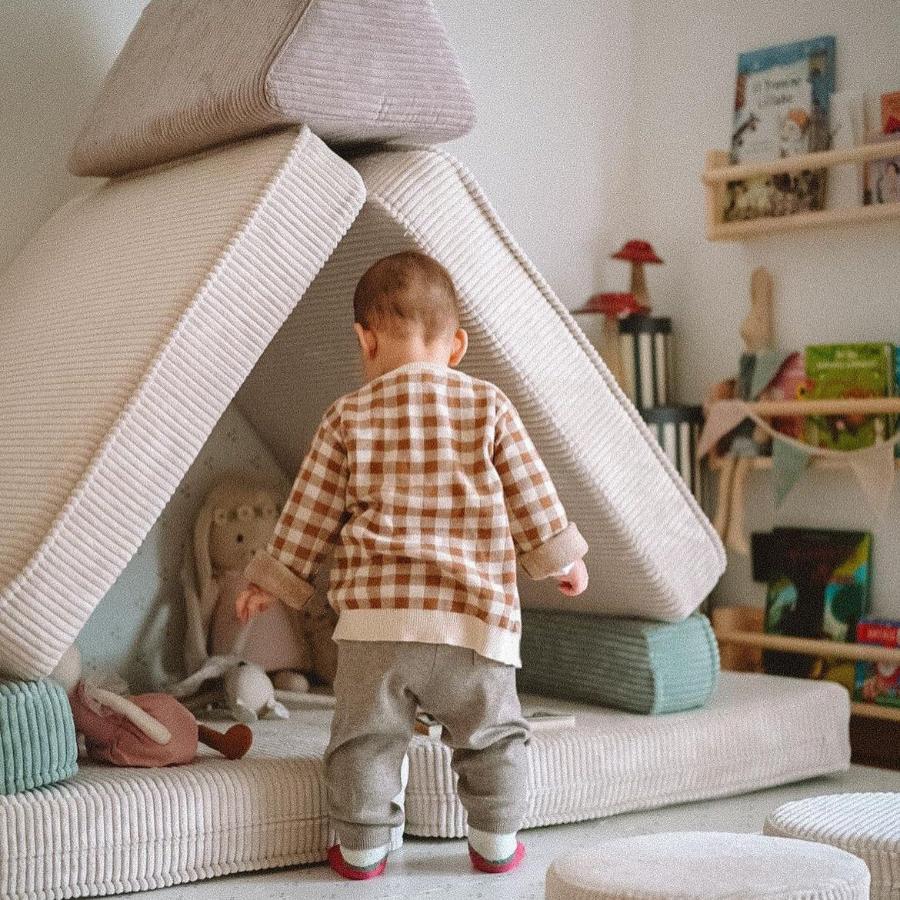

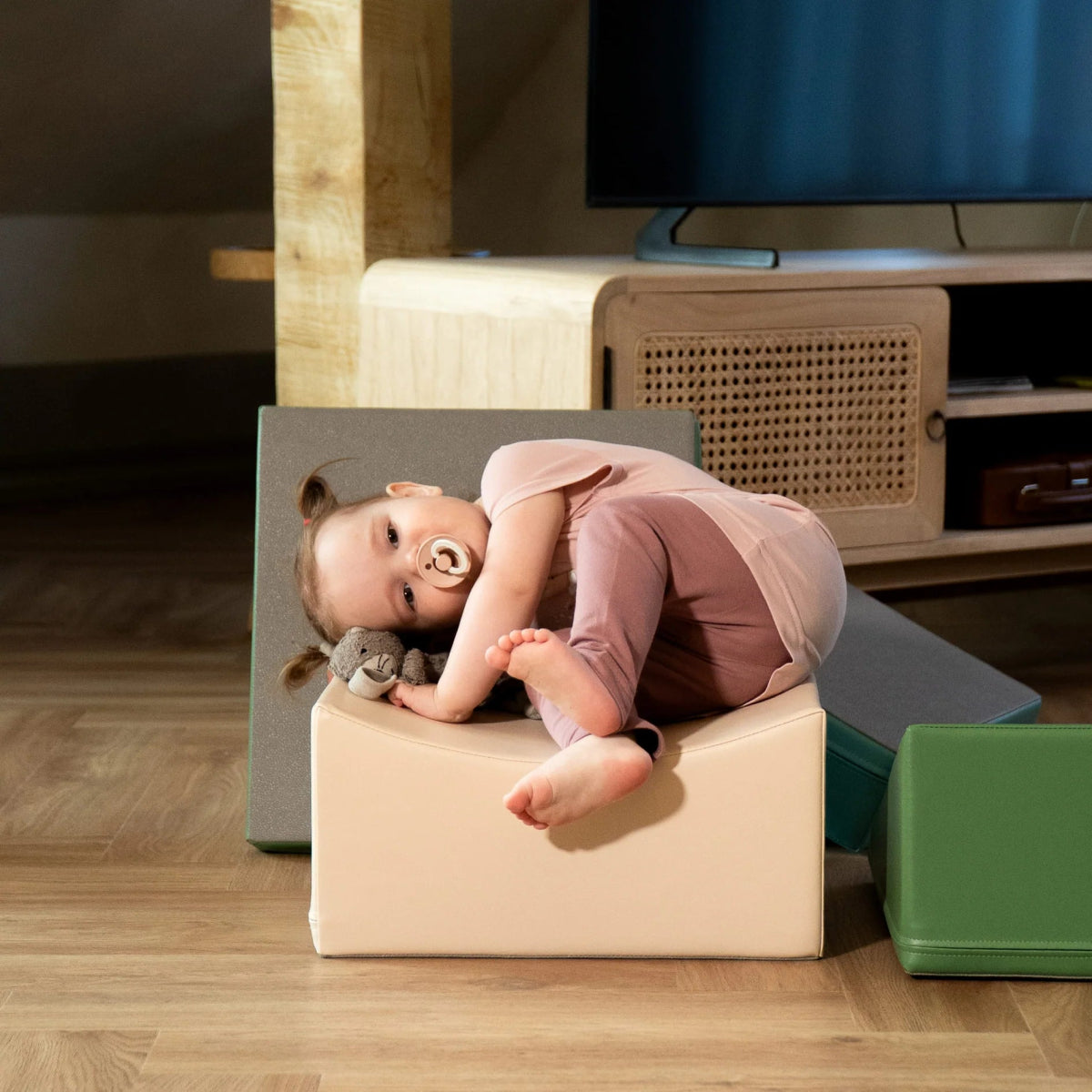

Speelbanken
Soft Play
Klimmen
Glijbanen & ballenbakken
Ontdek ook
Kinderkamer

Babykamer
Kinderbedden
Kasten & opbergen
Zitzakken & stoelen

Montessori education: tools for home and growth
Why Montessori?
You want your child to grow up with self-confidence, curiosity, and independence. An upbringing based on the principles of Maria Montessori fosters these qualities by actively involving the child in their environment instead of passively consuming it. The key: don't do everything for your child, but do what's right with them .
Core values in the Montessori approach
Independence and initiative
The child is given the space to act independently: to make choices, to explore, to practice. This space is not optional—clear frameworks ensure that it remains safe and meaningful.
Freedom within borders
Freedom here doesn't mean "just do what you want." It means "choose for yourself within a framework you understand." This structure creates calm and helps the child learn how their world works.
Prepared environment
The space a child lives in directly impacts what they learn. Low cabinets, materials at child-sized heights, and organized layouts: all elements of an environment that facilitates development.
Sensory development and cognitive growth
Montessori emphasizes materials and experiences that invite observation, touch, and experimentation. It's about "learning by doing"—not just listening or watching, but actively participating.
What does this look like in daily practice?
In the play and living area
-
Limiting the number of toys in play at any one time will help keep your child's attention focused and encourage deeper learning experiences.
-
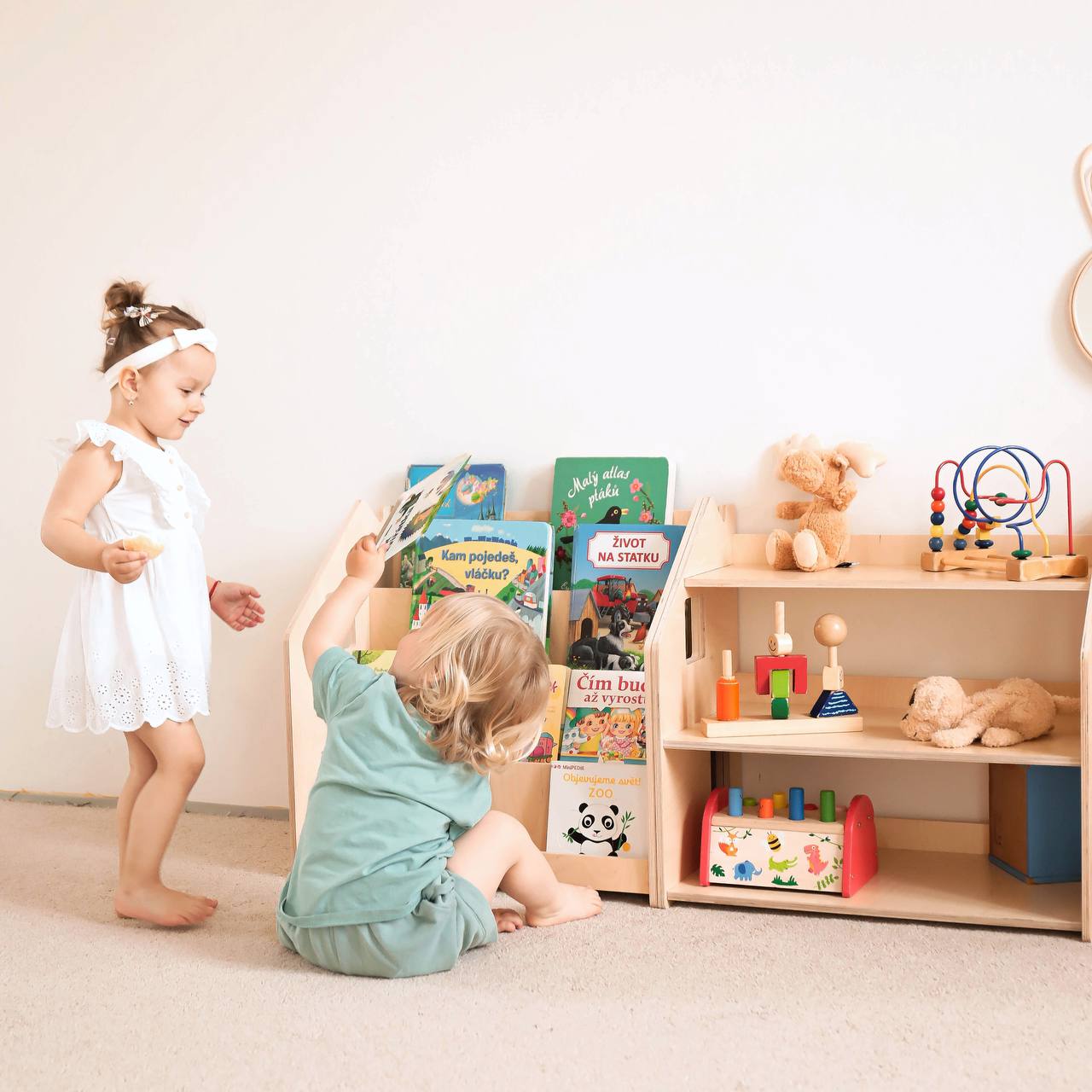
Place cupboards and bins at child height so your child can choose and tidy up independently.
-
Create clear zones: "play here," "rest here," "book here." This encourages order and clarity.
In the kitchen and bathroom
-
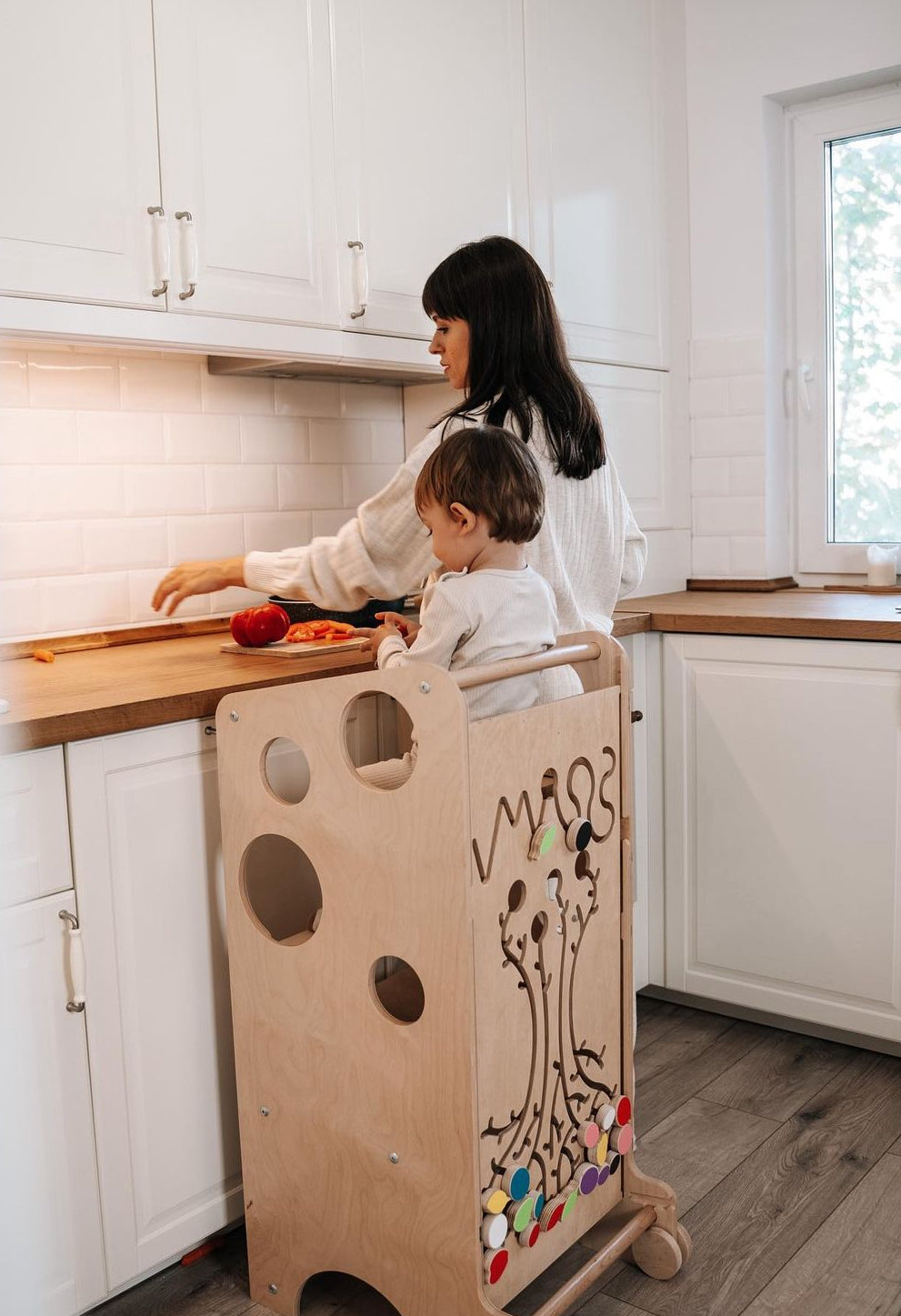
A learning tower or step gives your child access to the counter or sink so they can help with cooking, washing, and tidying up.
-
Consciously involve your child in everyday routines: chopping vegetables (under supervision), clearing the table, getting a towel. These are learning moments for motivation, fine motor skills, and respect for the materials.
In the bedroom
-
A low bed (or toddler bed at floor height) provides autonomy: the child can get in and out by themselves.
-
Offer clothing at child-sized height: choosing and packing your own clothes promotes independence and identity.
-
Calm, natural materials (wood, neutral colours) create an environment in which the child feels safe and can concentrate.
Montessori versus conventional education
A more traditional style often emphasizes adult instruction, shaping desired behavior, and less autonomy in the early years. The Montessori approach shifts the balance: you guide, observe, and provide space—rather than simply directing. This doesn't mean there are no rules, but rather that rules serve growth, not control.
An important note: you don't have to adopt everything from Montessori. Many parents consciously choose hybrid approaches: keep what works in your family and add where it adds value.
Benefits and considerations of Montessori
Advantages
-
Stronger foundation for self-confidence: children learn 'I can do this myself' instead of 'I'll wait for help'.
-
Concentration and perseverance are stimulated: the environment invites you to choose, practice, and complete.
-
Involvement in daily life: routines become learning moments and the role of parent/caregiver changes to that of a guide.
Points of interest
-
It requires consistency: giving space and setting clear boundaries requires conscious choices.
-
You often have to rearrange or think differently (furniture at child height, less clutter, conscious offering).
-
Not every child is exactly the same – some need more structure or guidance. Close observation remains essential.
Getting started steps for home
-
Observe your child for a week: what attracts their attention, what does they get stuck on, what does they like to do (independently)?
-
Create a 'child-friendly zone': a cupboard, basket or surface where only materials that encourage independent play or work are placed.
-
Introduce 1-2 routines with your child: for example, while setting the table or getting dressed — let your child actively participate.
-
Build quality over quantity: focus on materials with meaning, simplicity and durability.
-
Set clear, consistent boundaries (e.g., “clean up after playing”) and discuss them with your child — this will help them develop their understanding of rules and boundaries.
Summary
Montessori isn't simply a label or a style, but a vision: the child as an active learner in an inviting and supportive environment. By fostering independence, allowing freedom within boundaries, providing a carefully designed space, and stimulating sensory learning, you lay a foundation for long-term development. It requires conscious choices, but offers rewards that extend well into the future.
Also in News
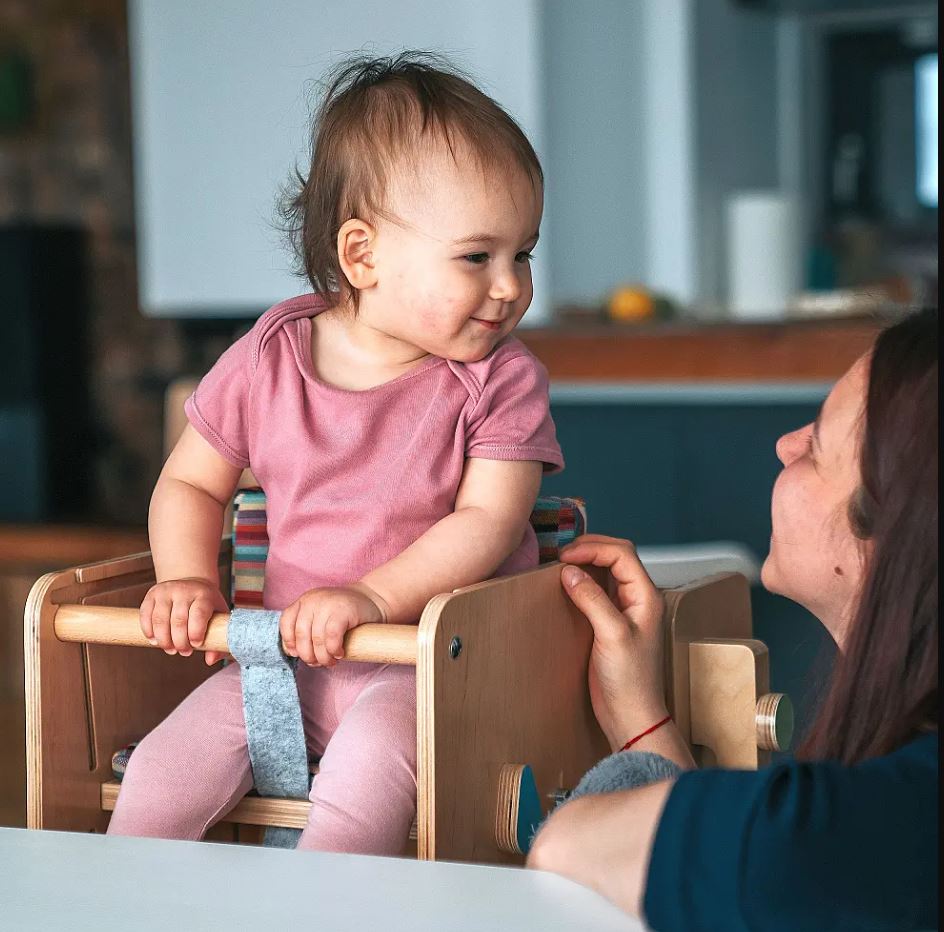

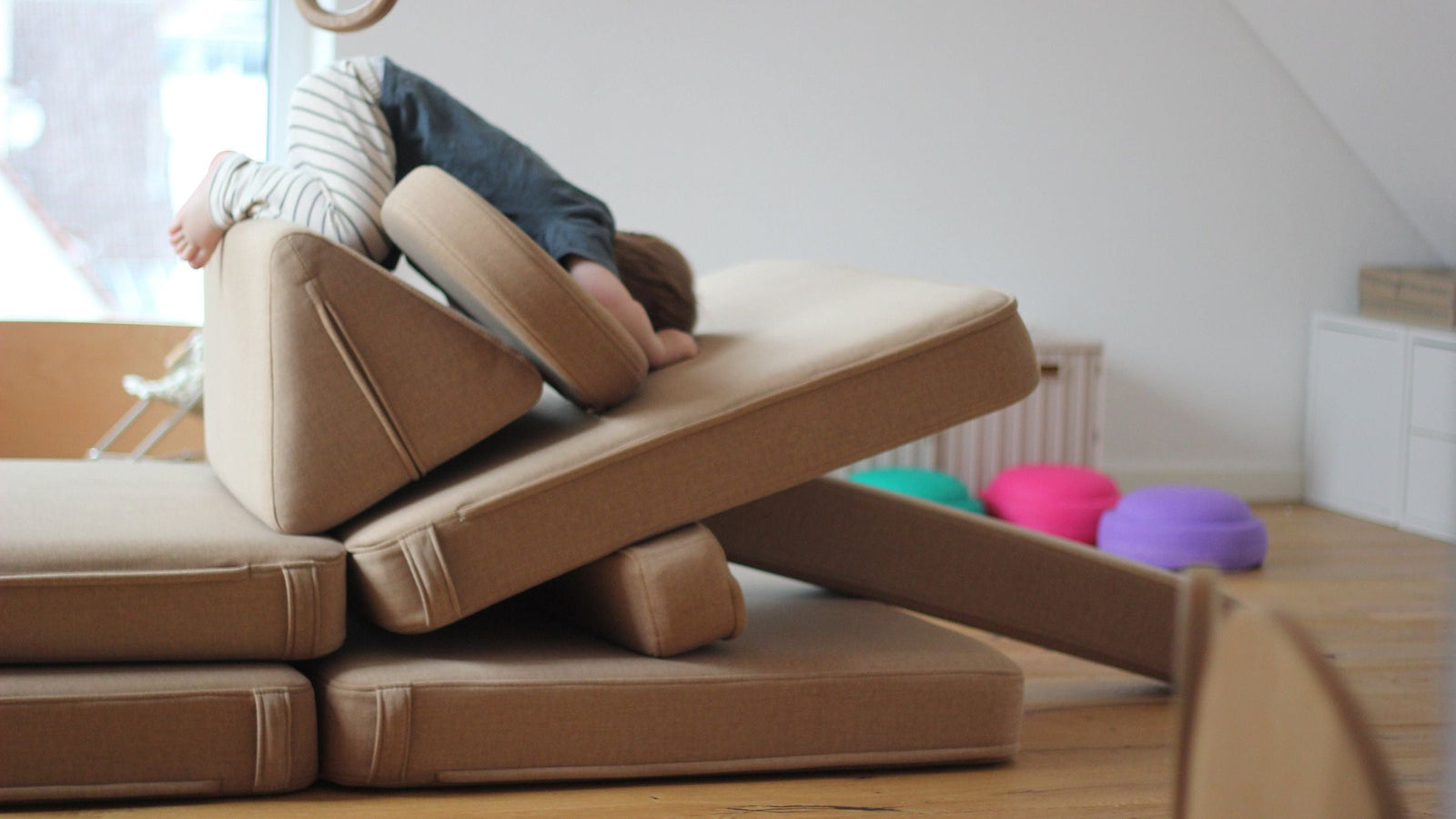


What is the Pikler Method? Free Movement Explained for Parents
The Pikler method demonstrates the importance of free movement for the development of young children. Discover why less guidance actually leads to more self-confidence, motor skills, and enjoyment of play.
